The Masterplan
How Afrisovera City Works
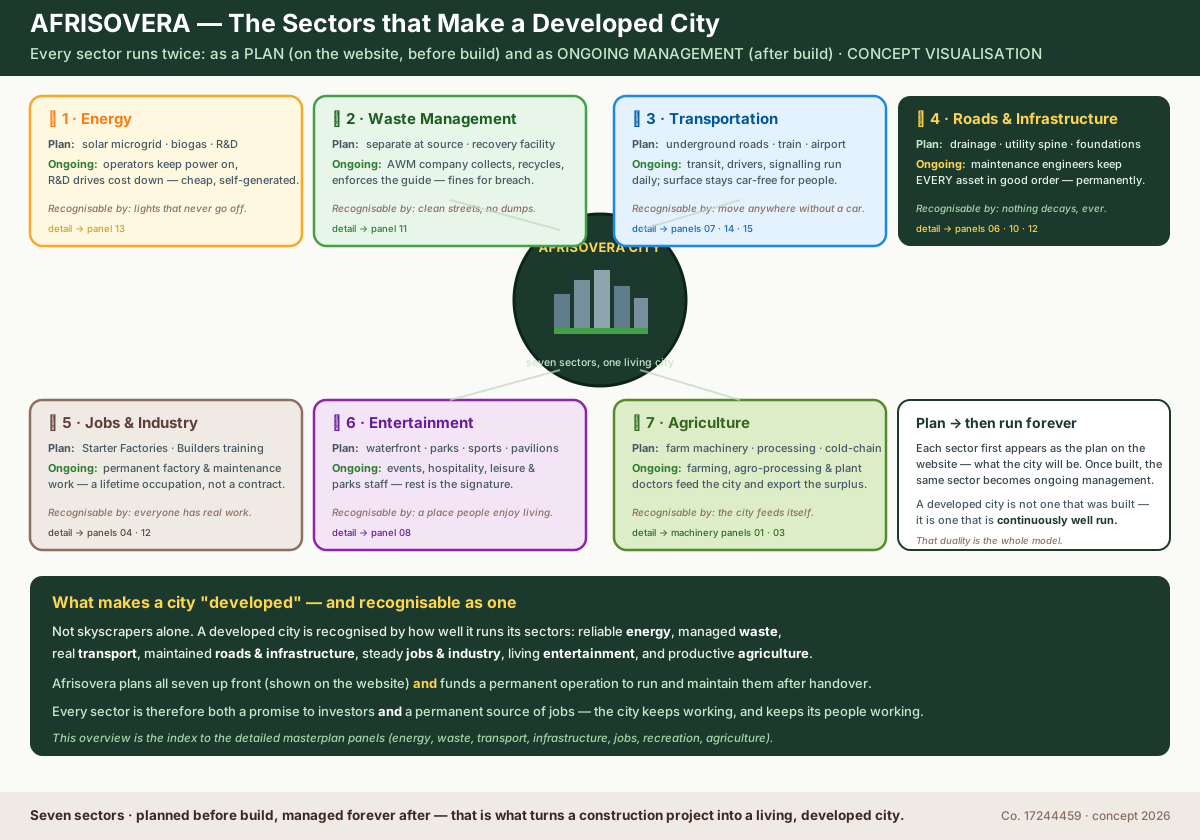
A developed city is recognised not by its skyline but by how well it runs its sectors — energy, waste, transport, infrastructure, jobs, recreation and agriculture. Afrisovera plans all seven up front, builds from what the ground already holds, and funds a permanent operation to run and maintain them for generations. A diaspora-funded riverine city on a strategic site in central Nigeria — exact location to be announced.
The Model
The seven sectors that make a developed city
Every sector is shown two ways: the plan before build, and the ongoing management after it — which is what turns a construction project into a living city, and every sector into both a promise to investors and a permanent source of jobs.
Build with the ground
Machinery & the zero-waste build
The city is planned to be built from what is excavated on site — laterite pressed into interlocking blocks, granite crushed to aggregate, pit sand washed clean — using a standardised fleet where one power unit drives every farm implement.
Runs & maintains itself
Infrastructure, utilities & the living city
Drainage sized so the city never floods, an underground utility spine, a waste system that turns rubbish into value, permanent maintenance jobs, and an R&D department engineering the city’s own cheap power, clean water and connectivity.
The signature
Architecture: solid foundations, built for rest
Low cost never means weak. Afrisovera houses are known for the ground they stand on — and for neighbourhoods designed around green space, water and gathering.
Reachable & connected
Transport gateways Proposed
A proposed electric train network to move people and goods without cars, and a proposed mini-airport to make the city reachable and fly its high-value produce out. Phased, concept-stage, and subject to feasibility and approvals — never presented as funded or approved.
Discipline & jobs
Policies that keep it working
A never-waste doctrine, a binding waste guide with enforcement, and permanent maintenance careers — the rules and roles that keep the city clean, funded and employing its people.
See the plan, and how it’s funded
These concepts are the how. The phase map is the when, and the pooling model is how it gets funded — together they are the whole picture.
Concept status & honesty: every panel on this page is a concept visualisation produced for planning and stakeholder engagement. Nothing shown is built, manufactured, funded or approved; the machines require engineering development, prototyping and certification, and the airport and train network are proposals subject to feasibility studies and government approvals. Figures are illustrative planning estimates. The city’s exact location is a strategic riverine site in central Nigeria and will be announced when the land agreement is sealed. AFRISOVERA GLOBAL HOLDINGS LIMITED (Co. No. 17244459, England & Wales). Nothing here is an offer of investment.